 Optical Glass Components
 Infrared Optical Elements
 Laser Lens
 English
 Español
 italiano
 русский
 Türkçe
 Polska

Sep 14-2024
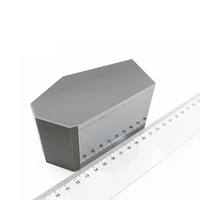
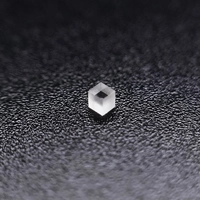
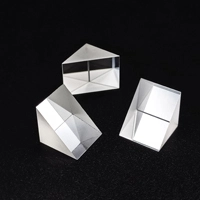
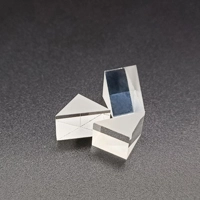
The Schmidt Pechan roof prism is a critical component in modern optical systems, particularly in instruments requiring compact, high-performance optical designs. These prisms are widely used in various optical devices such as binoculars, monoculars, telescopes, and microscopes. Thanks to their unique design and optical characteristics, Schmidt Pechan roof prisms offer numerous advantages over other prism types, including compactness, improved light transmission, and the ability to provide upright images. In this article, we will explore the diverse applications of Schmidt Pechan roof prisms in contemporary optical instruments and their benefits across different industries.
One of the most common applications of the Schmidt Pechan roof prism is in binoculars and monoculars. These prisms are integral to the design of roof prism binoculars, where their compact, straight-line configuration allows for a more streamlined and lightweight instrument. The Schmidt Pechan roof prism's ability to correct image orientation while maintaining high-quality optics makes it ideal for outdoor enthusiasts, birdwatchers, and sports fans. The use of Schmidt Pechan roof prisms in binoculars ensures that users get bright, clear, and high-resolution images without the bulkiness typically associated with traditional Porro prism binoculars. By enabling the construction of more compact optical systems, these prisms enhance both portability and usability, crucial factors for consumers on the go.
Telescopes, especially those designed for astronomy and terrestrial observations, also utilize Schmidt Pechan roof prisms for superior optical performance. These prisms are used to invert and correct the orientation of images, ensuring users can view celestial bodies and distant landscapes with clarity and precision. The Schmidt Pechan roof prism design helps minimize light loss, enhancing the brightness and contrast of the observed objects. For astronomers, the ability to gather more light means clearer views of stars, planets, and other astronomical phenomena. Moreover, Schmidt Pechan prisms in telescopes allow for more compact, efficient designs without sacrificing image quality, which is essential for portable and advanced telescope systems.

In surveillance and military applications, Schmidt Pechan roof prisms are utilized in advanced optical systems such as night vision goggles, binoculars, and reconnaissance tools. The compact design of the Schmidt Pechan prism is ideal for portable optical systems that require high optical performance and durability. By improving light transmission and ensuring the clarity of images, these prisms play a crucial role in providing clear, accurate visuals in low-light or night conditions. Their robustness also makes them suitable for tactical operations, where reliable and efficient optical tools are necessary. Whether used in military operations or security surveillance, the Schmidt Pechan roof prism's ability to provide crisp, sharp images is vital for decision-making in critical environments.
Another notable application of Schmidt Pechan roof prisms is in microscopes. In high-precision instruments like research microscopes, these prisms play an essential role in correcting image orientation and improving light transmission. Schmidt Pechan roof prisms allow microscopes to deliver bright, high-resolution images of tiny specimens without the distortion or color fringing that can sometimes occur with other types of prisms. The clarity of the image is especially important in scientific research, where accurate visual representation of biological and chemical samples is paramount. Their use in microscopes enhances the overall optical performance, ensuring that researchers can observe minute details with accuracy and clarity.
Schmidt Pechan roof prisms are also found in advanced imaging devices, such as digital cameras and optical sensors. These prisms are essential in cameras that require a compact and reliable way to transmit light through the lens system. In optical viewfinders, the Schmidt Pechan roof prism helps to deliver a clear, upright image to the viewer, making it easier to frame and capture photographs. The high light transmission properties of Schmidt Pechan prisms allow for better image quality, even in low-light environments. As digital cameras continue to advance, the inclusion of these prisms helps meet the demand for smaller, more efficient optical systems that still offer top-tier imaging performance.
In conclusion, Schmidt Pechan roof prisms are indispensable in modern optical instruments, enhancing performance across a wide range of applications. From binoculars and telescopes to surveillance systems, microscopes, and cameras, these prisms contribute to creating compact, high-performance devices that deliver clear, bright, and accurate images. Their role in improving light transmission, correcting image orientation, and reducing optical distortion makes them an essential component in the design of advanced optical systems. The continued use and development of Schmidt Pechan roof prisms will likely drive further innovation in optical technology, providing better solutions for industries ranging from astronomy to security and scientific research.